

Weekly
High-intensity facilities and continuous operations requiring close monitoring and rapid attention to minor defects.
How we work
Survey, register, plan, service, repair, report, review — applied identically to HVAC, electrical, mechanical, plumbing, fire, power and ELV.
Maintenance methodology
Inspection of the installed systems across every discipline, their operating conditions and current condition.
Identification, tagging and documentation of facility assets — type, location, rating data and service history where available.
A scheduled maintenance plan built per system, duty and operating requirement, agreed with your engineering team.
Planned visits: inspection, cleaning, testing, adjustment and servicing against a defined checklist per discipline.
Diagnosis and repair of faults and breakdowns, including component replacement and post-repair verification.
Maintenance reports covering work performed, observations, equipment condition and recommended actions.
Review of recurring faults and equipment trends, with recommendations to improve system reliability.
Every step is documented. You keep a maintenance record for each asset — what was checked, what was found and what was recommended.
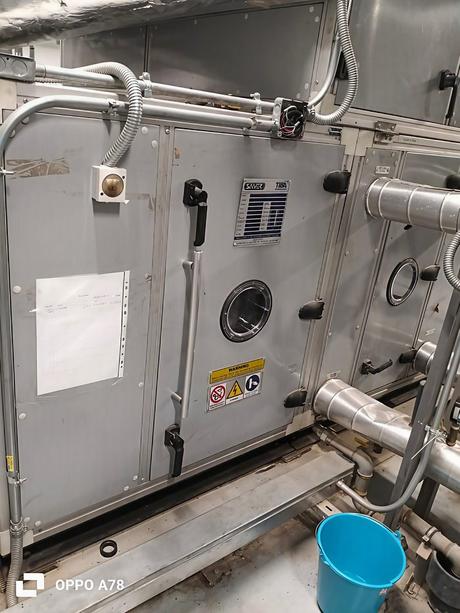
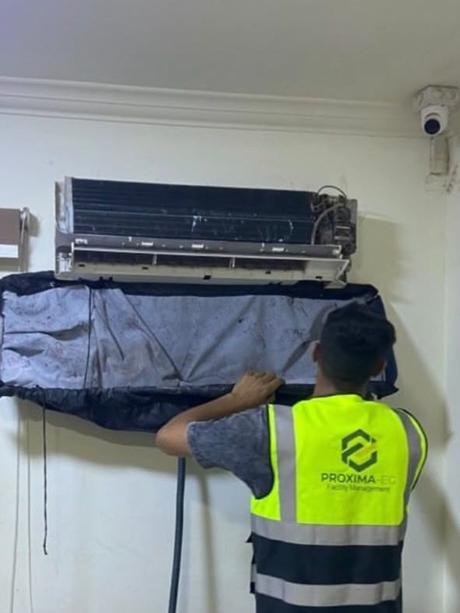
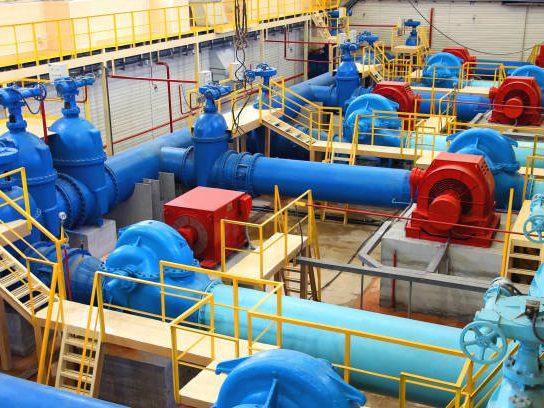
Preventive programmes
High-intensity facilities and continuous operations requiring close monitoring and rapid attention to minor defects.
Balanced programme for medium-load facilities — preventive checks, cleaning and system adjustment every two weeks.
Standard preventive programme — full system inspection, servicing and a written maintenance report each month.
Periodic deep servicing for lower-duty equipment, or seasonal preparation ahead of peak load periods.
Visit frequency is set per facility from the asset register and operating hours — not sold as a fixed package.
When something fails
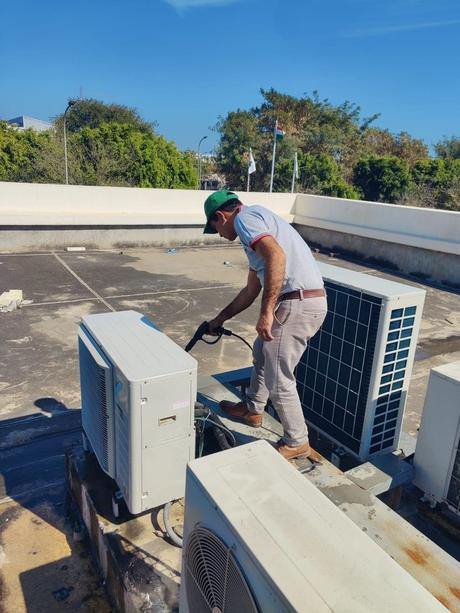
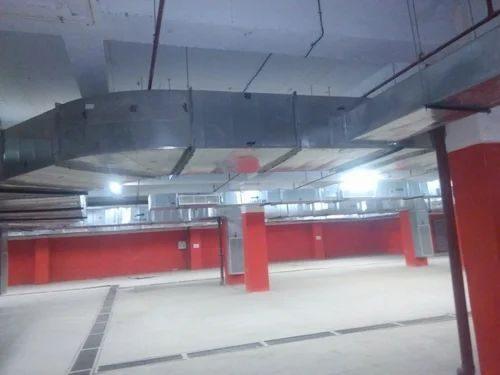
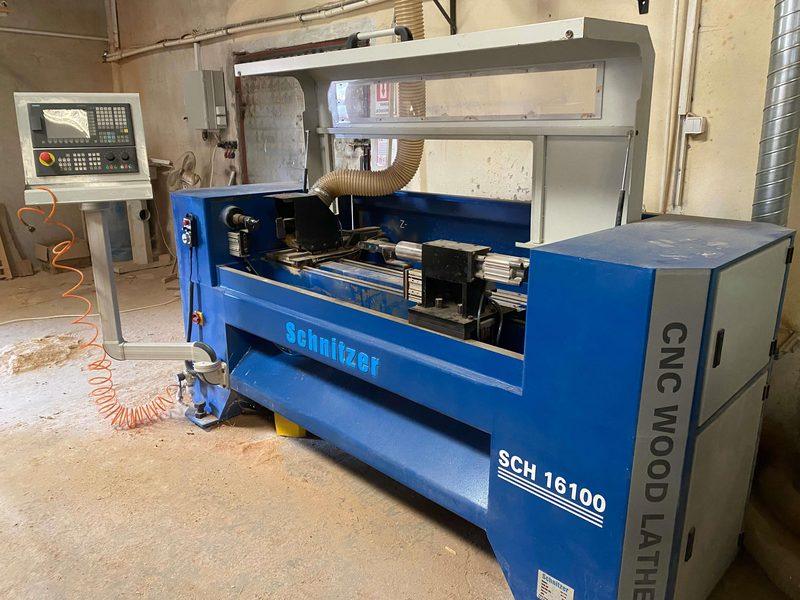
Breakdown response sequence
Response and attendance times are agreed per contract and per facility, and defined in the maintenance agreement.
Reporting
Maintenance is only useful to a facility or engineering manager if it is recorded. Every programme produces a written trail you can review, audit and budget against.
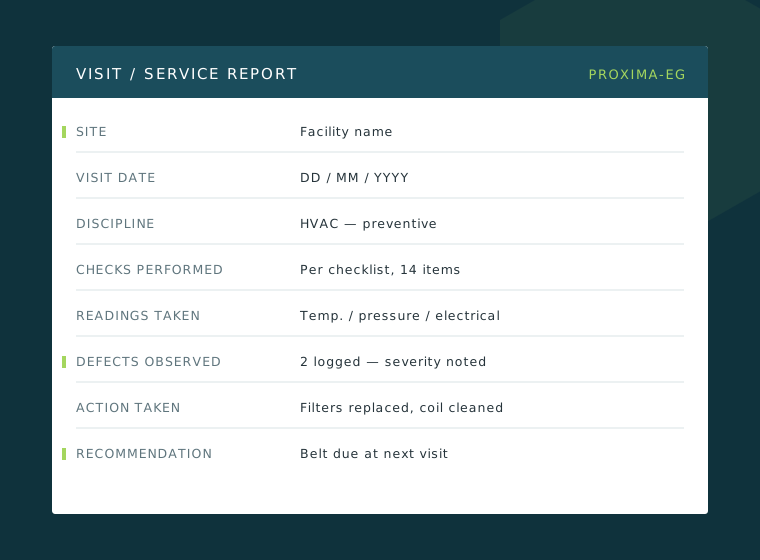
The layout shown is our standard visit record. Fields are completed on site and the report is issued after every visit.
Full equipment list by discipline — type, location, rating data and service status.
Planned visit calendar by system and frequency.
Checklist results, readings and work carried out on each visit.
Faults found, severity and the action recommended.
Breakdown details, cause, repair carried out and parts used.
Equipment condition assessment and replacement advice.
Contract models
Scheduled inspection and servicing visits against an agreed plan and checklist, with a report after each visit.
The preventive programme plus repair support for faults found during or between scheduled visits.
Full programme across all disciplines — preventive, corrective, emergency attendance, reporting and technical support.
Call-out based technical intervention for breakdowns, without a standing maintenance programme.
| Included in the contract | A | B | C | D |
|---|---|---|---|---|
| Scheduled preventive visits & checklists | Included | Included | Included | — |
| Written report after each visit | Included | Included | Included | — |
| Corrective repair of reported faults | — | Included | Included | Per call |
| Emergency breakdown attendance | — | Optional | Included | Included |
| Asset register & maintenance history | Optional | Included | Included | — |
| All disciplines under one agreement | Optional | Optional | Included | — |
Scope, visit frequency and pricing are quoted per facility following a site survey. No standard price list is published.
Send your asset list or arrange a survey. We come back with scope by discipline, visit frequency and a contract model.